AWS 네트워크 기본AWS Networking Basics
그림으로 알아보는 AWS 네트워크 개념과 구조AWS networking concepts and structure, explained with pictures

클라우드도 결국은 근원은 데이터센터 입니다. 데이터 센터를 기준으로 AWS의 네트워크 구성이 어떻게 이루어져있는지 살펴보겠습니다.
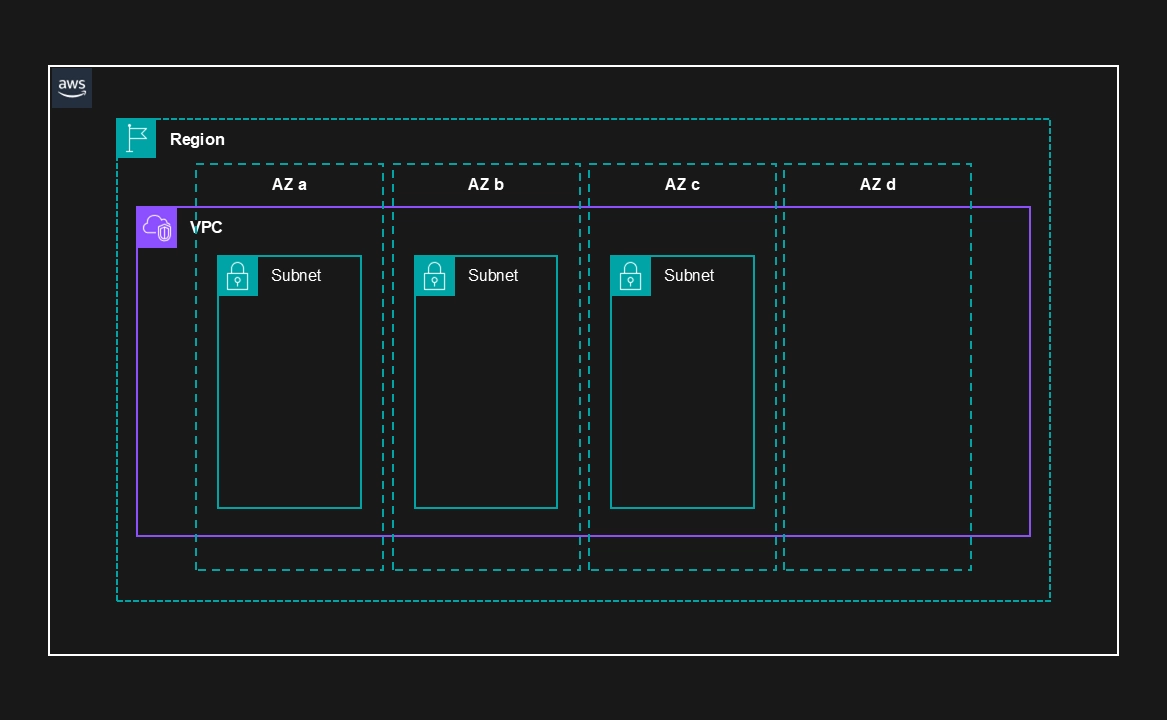
AZ(Availability Zone)
하나 이상의 데이터센터가 모이면 ‘가용영역’이라 합니다. 각 가용역역은 내결함성을 갖도록 설계되어 있으며, 재해에 대비하기 위해 다른 가용영역과 지리적으로 떨어진 곳에 위치 합니다. 각 가용용역은 프라이빗 링크를 통해 다른 가용영역과 연결되어 있습니다.
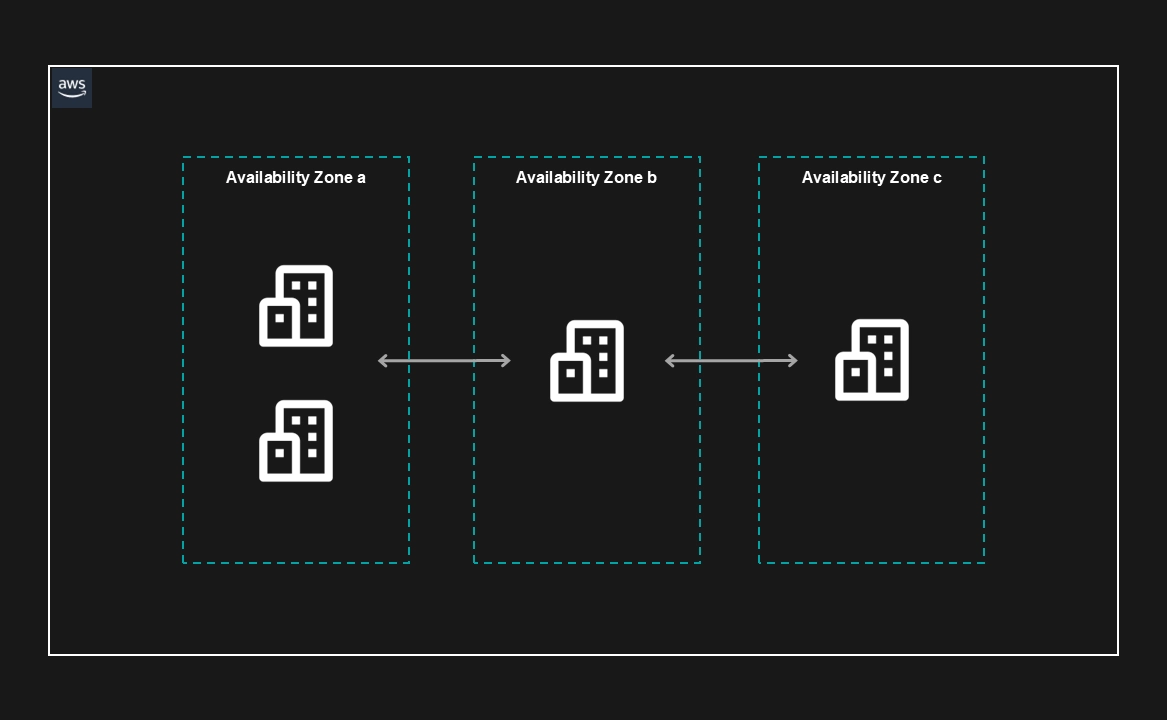
특정 가용영역의 위치를 사용자는 알수 없으며, 하나의 가용영역에 쏠림을 방지하기 위해 같은 가용영역 AZ a라고 해도 실제 위치는 사용자별로 달라질 수 있습니다.
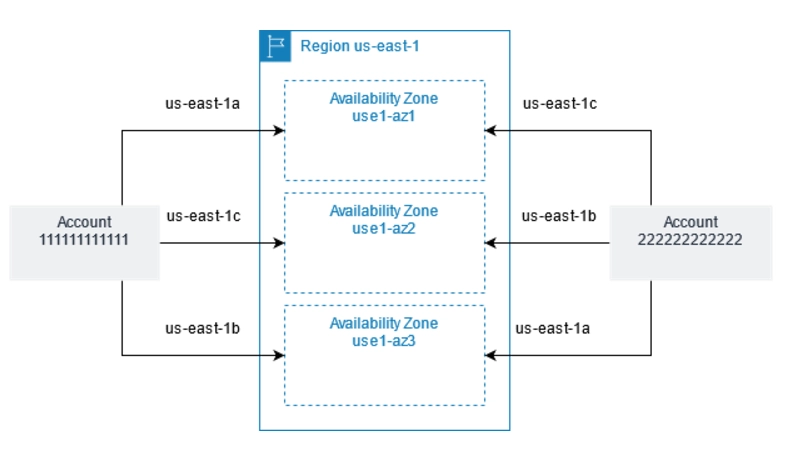
> 출처 : Availability Zone IDs for your AWS resources
Region
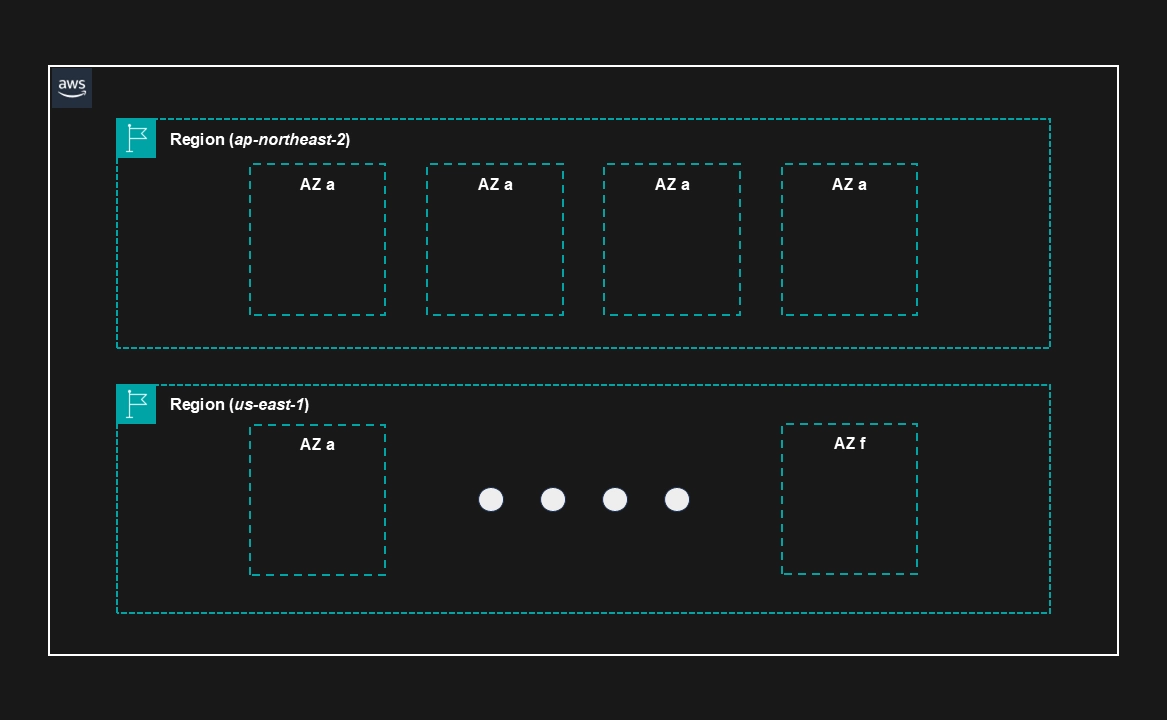
리전(Region)은 최소 두 개 이상의 가용용역으로 구성되어 있습니다. 2024년 기준의 33개의 리전이 존재합니다. 현재 한국에는 하나의 리전, 서울 리전(ap-northeast-2)이 존재하고 가용영역은 4개가 존재하고 있습니다.
VPC (Virtual Private Cloud)
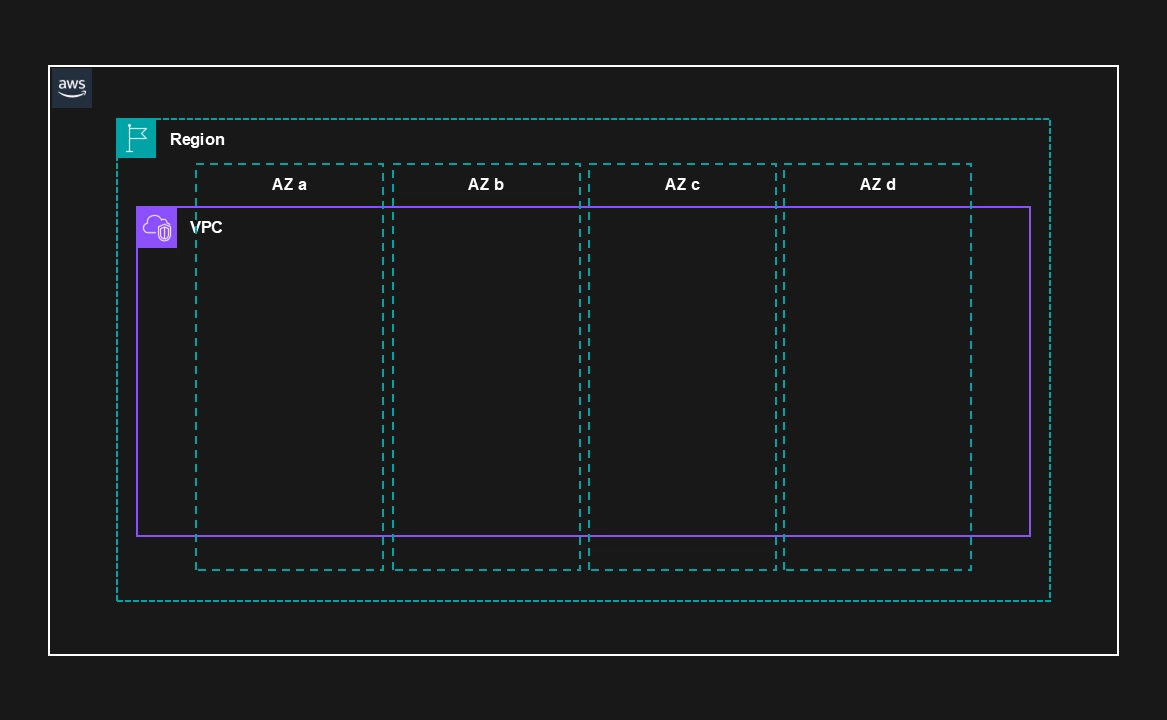
AWS에 사용자가 구성하는 가상 네트워크 입니다. AWS의 계정 전용의 격리된 사설 IP 대역을 구성 할 수 있습니다. 기본적으로 리전당 최대 5개의 VPC를 구성할 수 있습니다.
사설 IP 대역은 아래와 같은 IP 범위를 뜻합니다. VPC는 하나의 사설 IP 대역을 보유하고, 이를 Subnet 단위로 다시 쪼개서 사용 할 수 있습니다.
10.0.0.0 ~ 10.255.255.255
172.16.0.0 ~ 172.31.255.255
192.168.0.0 ~ 192.168.255.255
Subnet
VPC가 가지는 사설 IP 대역의 일부분을 논리적으로 분할한 영역 입니다. 하나의 서브넷(Subnet)은 반드시 하나의 AZ에 위치하게 됩니다. 서브넷 생성시 다음의 세가지를 반드시 설정해야 합니다.
- 서브넷을 생성할 대상 VPC
- 서브넷을 생성할 가용영역 AZ
- 대상 VPC의 IP 대역 내의 서브넷 CIDR block
CIDR (Classless Inter-Domain Routing)
특정 IP 주소 또는 여러 IP 대역을 표현하는 방법을 의미합니다. 일반적인 IP와 달리 뒤에 뭔가 더 붙어 있는 형태를 가집니다. 이는 IP 주소와 Prefix 길이를 뜻합니다. IP 주소 체계를 이해하면 CIDR를 읽는 방법은 간단합니다.
[IP 주소]/[Prefix 길이]

10.0.0.0/16
192.168.1.0/24
IP 주소 체계
초기 컴퓨터들은 1byte가 꼭 8bit를 의미하지 않았기 때문에 8개의 비트를 명확하게 표현하기 위한 용어로 옥텟(Octet)이 있습니다.
IP 주소는 3개의 구분자 .을 기준으로 크게 4개의 숫자로 구성되어 있습니다. 그리고 각 숫자 하나 하나를 옥텟이라 부릅니다. 즉 이 숫자 하나가 8bit라는 뜻입니다. 이게 어떤 의미일까요?
$$Octet = 8bit = 2^8 = 256$$
IP 주소는 0을 포함해서 255까지의 값을 가질 수 있는 4개의 숫자로 구성되어 있습니다. 8bit가 4개 이므로 32bit를 이용해서 컴퓨터의 인터넷 주소를 표현 할 수 있는 체계를 의미합니다. 그래서 약 42억개의 IP를 표현 가능하며 이를 정확히는 IPv4라 합니다.
$$\text{IPv4} = 8bit * 4 = 32bit = 2^{32} = 4,294,967,296$$
비트로 본 CIDR
이제 CIDR 10.0.0.0/16를 비트로 쪼개서 보겠습니다. IP 주소를 비트로 표현하면 아래와 같습니다.
10.0.0.0 / 16

00001010.00000000.00000000.00000000 / 16
여기에서 CIDR의 Prefix 길이 16의 의미는 ‘IP주소 중에서 앞에 있는 16개 비트를 고정시키겠다’는 의미입니다. 아래의 비트 중 앞자리 16개는 고정된 주소이며 나머지 뒤에 있는 비트는 변경 가능하다는 의미를 표현한 값입니다.
00001010.00000000.00000000.00000000 / 16
-------- --------
Subnet : CIDR 설정
이제 실제 CIDR를 VPC와 서브넷에 적용시켜 보겠습니다.
VPC - 10.0.0.0/16
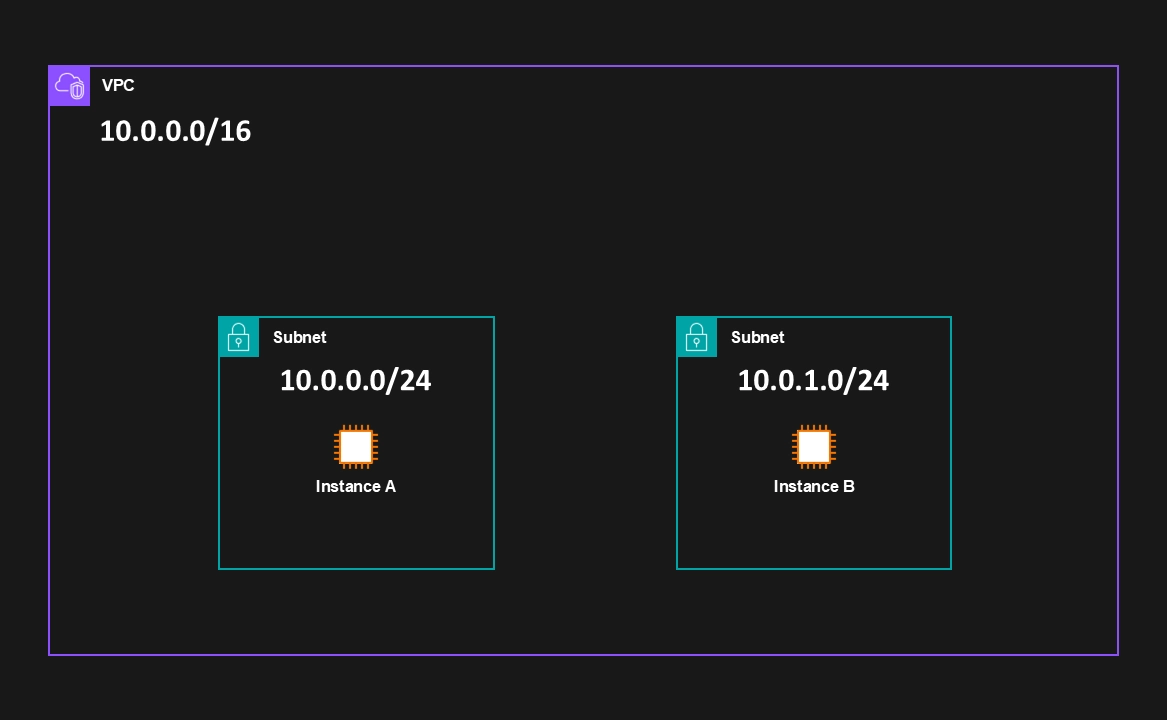
VPC의 CIDR의 Prefix 길이는 16으로 앞에 16bit를 고정한 10.0.0.0 IP 주소 범위를 사용하겠다는 의미 입니다. 해당 VPC는 IP 주소 32bit 중에서 16bit를 고정하고 나머지 16개를 사용하므로 65536개의 IP를 가질 수 있습니다.
$$2^{16} = 65536 = \text{앞에 두덩이는 고정. 나머지 두 덩이(16bit)는 사용 가능}$$
서브넷
해당 VPC에 속하는 서브넷은 앞에 IP 두 덩어리는 고정되고, 나머지 주소는 서브넷의 CIDR로 사용 할 수 있습니다. 여기서는 각 서브넷의 Prefix 길이를 24로 범위를 지정해봤습니다. 그러면 8개의 비트만 쓸수 있으니 256개의 IP를 사용 할 수 있는 서브넷이 됩니다.
- Subnet A : 10.0.0.0/24
- Subnet B : 10.0.1.0/24
- Subnet Something : 10.0.255.0/24
$$2^{8} = 256 = \text{Subnet은 256개의 IP를 사용할 수 있는 범위를 뜻함}$$
CIDR Prefix 길이
AWS에서 VPC와 서브넷이 가질수 있는 CIDR Prefix 길이는 16 ~ 28의 사이에 값만 가질 수 있습니다. 따라서 VPC의 모든 IP를 통째로 사용하는 서브넷을 만들수 있고 /24보다 더 큰 Prefix 길이로 지정 가능합니다.
- Subnet Total : 10.0.0.0/16 = IP 65536개
- Subnet Small : 10.0.0.0/28 = IP 16개
CIDR 계산기
8의 배수가 아닌 어려운 CIDR 계산은 CIDR to IPv4 Conversion와 같은 CIDR 계산기를 사용하시길 바랍니다.
예약 주소
하지만 실제로 AWS에서 사용 가능한 IP는 5개를 제외하고 계산해줘야 합니다.
- 0 번 주소 : 네트워크 주소
- 1 번 주소 : AWS에서 VPC 라우터용으로 예약한 주소
- 2 ~ 3 번 주소 : AWS에서 예약한 주소
- 255 번 주소 : 네트워크 브로드캐스트 주소.
Route Table
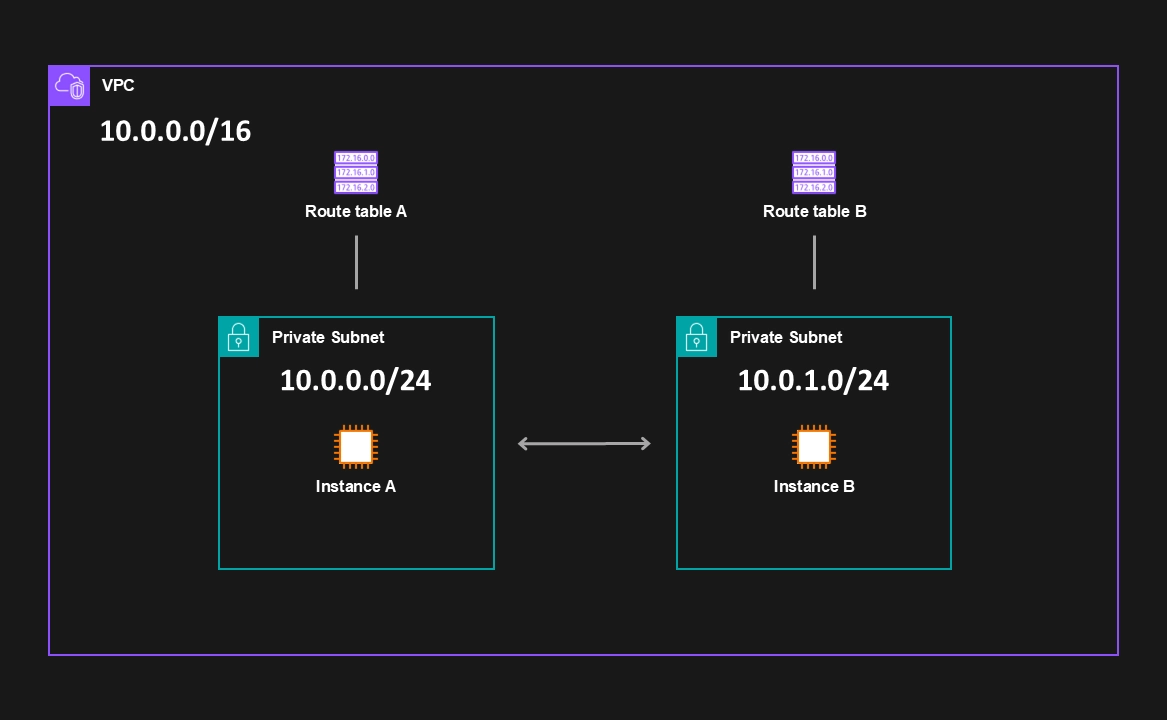
라우트 테이블(Route Table)은 VPC 내에서 네트워크 트래픽을 어디로 보낼지 결정하는 규칙의 집합입니다. 라우트 테이블은 실제로 서브넷과 연동됩니다. 서브넷은 반드시 하나의 라우트 테이블에 연결 되어 있어야 합니다. 반대로 하나의 라우트 테이블을 여러 서브넷이 함께 사용하는 것은 가능합니다.
> 그림 1. 서브넷과 Route Table
local
CIDR 10.0.0.0/16를 가지는 VPC를 대상으로 라우트 테이블을 생성하면, 기본적으로 VPC IP 범위에 해당하는 범위를 기본 라우팅 경로로 가지며 이를 local로 표기합니다. 이 로컬 경로는 수정하거나 삭제는 불가능 합니다.
| Destination | Target |
|---|---|
| 10.0.0.0/16 | local |
기본으로 로컬 경로가 생성되고 수정/삭제가 불가능 하다는 의미는 아래와 같습니다.
- VPC 내의 모든 리소스 간 통신이 가능
- 서브넷 간 통신을 가능
위의 그림 1.을 기준으로 서로 다른 Subnet에 존재하는 EC2 인스턴스 A와 B는 문제없이 통신이 가능합니다. 각 서브넷은 서로 다른 라우트 테이블과 연결되어 있지만, 기본 로컬 경로는 반드시 존재하기 때문입니다.
이건 가능한가?
그렇다면 질문입니다. 라우트 테이블에는 위와 같이 로컬 경로만 만들어져 있는 상황입니다.
- 그림 1.의 EC2 인스턴스는 인터넷에 통신이 가능 할까요?
- 그림 1.의 EC2 인스턴스에 우리는 접속 가능할 까요?
정답은 ‘둘다 불가능’ 입니다. 이유가 뭔지 하나씩 알아봅시다.
Private Subnet & Public Subnet
VPC의 정의에 대해서 다시 봅시다.
AWS에 사용자가 구성하는 가상 네트워크 입니다. AWS의 계정 전용의 격리된 사설 IP 대역을 구성 할 수 있습니다.
여기서 핵심은 VPC는 ‘격리된 네트워크’라는 것 입니다. AWS에서 구성되는 VPC와 서브넷은 기본적으로 인터넷과 연결되어 있지 않은 격리된 환경입니다.
격리됐다는 이유는 간단 합니다. 라우트 테이블 어디에도 인터넷과 연결되는 경로가 나와있지 않기 때문입니다. 그림 1.에서 서브넷을 Private Subnet이라 명명한것도 AWS 내에서만 접근 가능한 서브넷이기 때문 입니다.
그렇다면 어떻게 격리된 VPC와 인터넷을 연결시킬 수 있을까요?
Internet Gateway
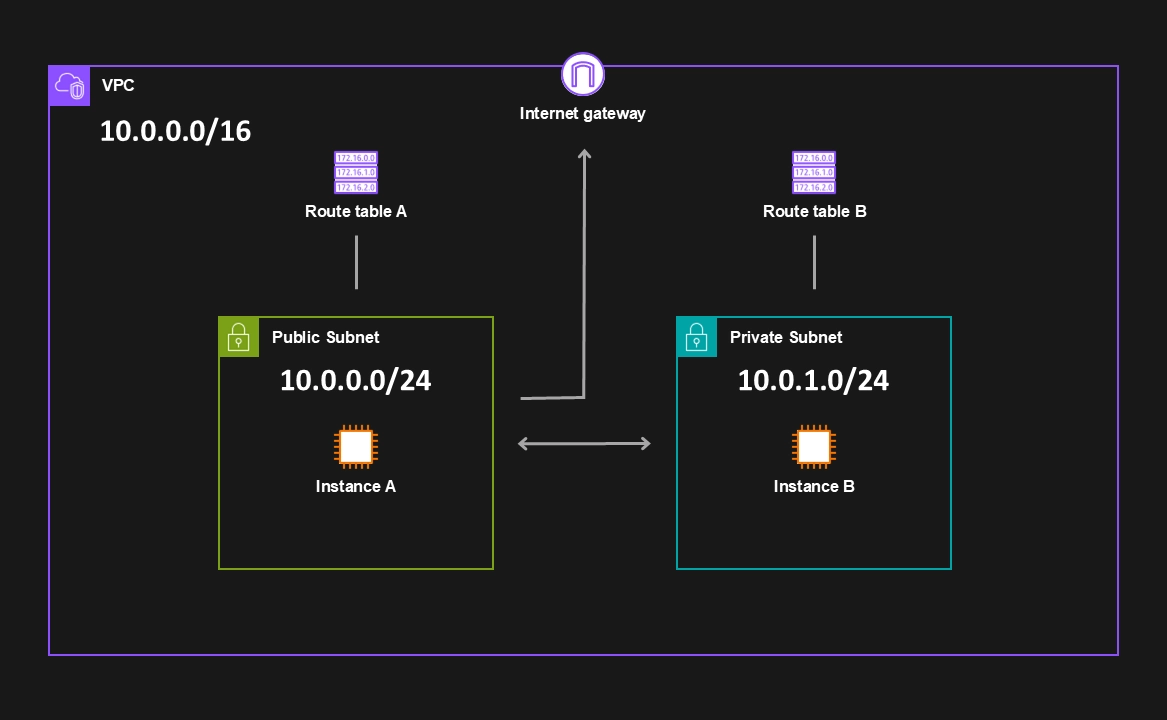
인터넷 게이트웨이(Internet Gateway)는 격리된 VPC와 인터넷을 연결해주는 중간 매개체 역할을 합니다. 아래와 같은 순서로 서브넷에 인터넷을 연결할 수 있습니다.
- 인터넷 게이트웨이를 생성
- 라우트 테이블에 인테넷 게이트웨이를 연결
- VPC 내 리소스에 공인 IP가 필요
> 그림 2. 서브넷과 Internet Gateway
Route Table A
그림 2. Route Table A에는 아래와 같이 목적지(Destination)에 Default Routing을 의미하는 0.0.0.0/0를 인터넷 게이트웨이를 대상(Target)으로 설정하여, 가고자 하는 목적지가 라우트 테이블에 없는 경우 해당 라우팅 경로를 따르게 만듭니다.
| Destination | Target |
|---|---|
| 10.0.0.0/16 | local |
| 0.0.0.0/0 | igw-id |
여기서는 기본적으로 통신 대상이 VPC 범위가 아닌 경우에는 인터넷 게이트로 연결되겠죠. 그러면 격리된 서브넷이 인터넷이 가능하게 됩니다. 이런 구성으로 이루어진 서브넷을 Public Subnet이라 합니다.
사실 서브넷은 기본적으로 격리되어있지만, ‘인터넷 게이트웨이로 라우팅이 가능한가’에 따라 Public / Private 서브넷으로 나눠질 뿐입니다.
NAT Gateway
여기서 하나 더 생각해봐야 할 것이 있습니다. ‘Private 서브넷은 인터넷 연결은 완전히 불가 한가?’ 이것은 NAT 게이트웨이(NAT Gateway)를 통해서 가능합니다.
- NAT 게이트웨이를 Public 서브넷 내 생성
- 라우트 테이블에 NAT 게이트웨이를 연결
NAT 게이트웨이는 Public 서브넷에 위치 합니다. 인터넷 게이트웨이와 연결된 서브넷이라는 뜻이겠죠? 여기서 Private IP를 Public IP로 변환 그 반대로도 변환하는 역할 수행합니다. Private 서브넷의 인스턴스들은 공인 IP가 없이도 NAT 게이트웨이를 통해 인터넷과 통신이 가능하게 됩니다.
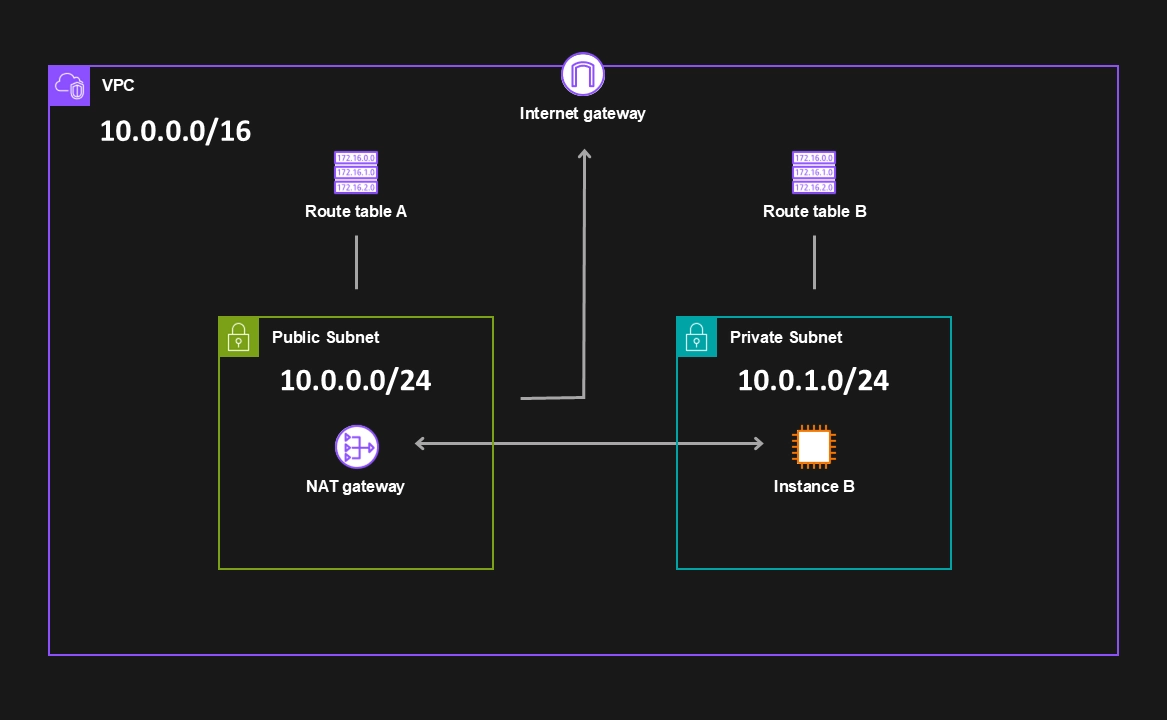
> 그림 3. Private 서브넷과 NAT Gateway
Route Table B
그림 3. Route Table B에는 아래와 같이 목적지(Destination)에 0.0.0.0/0를 NAT 게이트웨이를 대상(Target)으로 설정합니다.
| Destination | Target |
|---|---|
| 10.0.0.0/16 | local |
| 0.0.0.0/0 | nat-gateway-id |
Private 서브넷의 인스턴스들이 인터넷으로 아웃바운드 트래픽을 보낼 수 있게 하며, 반대로 인바운드 인터넷 트래픽으로부터 Private 서브넷의 인스턴스들에 직접 접근하지 못하게 보호하는 역할 또한 수행 합니다.
마무리
AWS의 가장 기본적인 Network 구성에 대해서 알아봤습니다. 핵심은 다음과 같습니다.
- AZ & Region
- VPC & Subnet
- CIDR
- Public Subnet & Internet Gateway
- Private Subnet & NAT Gateway
다음에는 해당 개념들을 실습해 볼수 있는 Bastion Host를 만들어 보면서 개념을 확인해 보겠습니다.
그리고 계속해서 위의 개념들과 연결되는 것들을 공부해보면 좋을듯 합니다.
- NACL & SecurityGroup
- VPC Peering & VPC Endpoint
- Route53
- CloudFront
At the end of the day, the cloud is rooted in data centers. Let’s look at how AWS networking is organized, starting from the data center.
AZ (Availability Zone)
One or more data centers grouped together form an ‘Availability Zone’. Each Availability Zone is designed to be fault tolerant and sits geographically apart from the others to guard against disasters. Each Availability Zone is connected to the others through private links.
Users can’t know where a given Availability Zone is. To keep everyone from piling into one zone, the same name AZ a can map to a different physical location for different users.
> Source: Availability Zone IDs for your AWS resources
Region
A Region is made up of at least two Availability Zones. As of 2024 there are 33 Regions. Korea currently has one Region, Seoul (ap-northeast-2), with four Availability Zones.
VPC (Virtual Private Cloud)
A VPC is a virtual network you set up in AWS. It lets you configure an isolated private IP range dedicated to your AWS account. By default you can create up to 5 VPCs per Region.
Private IP ranges are the IP ranges below. A VPC owns one private IP range, which you can split further into subnets.
10.0.0.0 ~ 10.255.255.255
172.16.0.0 ~ 172.31.255.255
192.168.0.0 ~ 192.168.255.255
Subnet
A subnet is a logical slice of the private IP range owned by a VPC. A subnet always lives in exactly one AZ. When you create a subnet, you must set these three things:
- The VPC to create the subnet in
- The Availability Zone (AZ) to create the subnet in
- A subnet CIDR block within the target VPC’s IP range
CIDR (Classless Inter-Domain Routing)
CIDR is a way to express a specific IP address or a range of IPs. Unlike a plain IP, it has something extra tacked on at the end: an IP address plus a prefix length. Once you understand how IP addresses are structured, reading CIDR is simple.
[IP address]/[Prefix length]

10.0.0.0/16
192.168.1.0/24
How IP addresses are structured
In early computers, a byte didn’t always mean 8 bits, so the term octet was used to mean exactly 8 bits.
An IP address consists of four numbers separated by three dots .. Each of those numbers is called an octet, meaning each number is 8 bits. What does that mean?
$$Octet = 8bit = 2^8 = 256$$
An IP address consists of four numbers, each ranging from 0 to 255. Four 8-bit numbers make 32 bits, so this is a scheme that expresses a computer’s internet address in 32 bits. It can express about 4.2 billion IPs, and its proper name is IPv4.
$$\text{IPv4} = 8bit * 4 = 32bit = 2^{32} = 4,294,967,296$$
CIDR in bits
Now let’s break the CIDR 10.0.0.0/16 down into bits. Written in bits, the IP address looks like this:
10.0.0.0 / 16

00001010.00000000.00000000.00000000 / 16
Here the CIDR prefix length of 16 means ‘fix the first 16 bits of the IP address’. It says the first 16 of the bits below are a fixed address, and the remaining bits after them can change.
00001010.00000000.00000000.00000000 / 16
-------- --------
Subnet: Setting the CIDR
Now let’s apply CIDR to an actual VPC and its subnets.
VPC - 10.0.0.0/16
The VPC’s CIDR prefix length is 16, meaning it uses the IP range 10.0.0.0 with the first 16 bits fixed. Out of the 32 bits of an IP address, this VPC fixes 16 and uses the other 16, so it can have 65,536 IPs.
$$2^{16} = 65536 = \text{first two chunks fixed; the other two chunks (16 bits) are usable}$$
Subnets
Subnets in this VPC keep the first two chunks of the IP fixed and can use the rest of the address for their own CIDR. Here I’ve given each subnet a prefix length of 24. That leaves only 8 bits to use, so each subnet can use 256 IPs.
- Subnet A : 10.0.0.0/24
- Subnet B : 10.0.1.0/24
- Subnet Something : 10.0.255.0/24
$$2^{8} = 256 = \text{the subnet covers a range of 256 usable IPs}$$
CIDR prefix length
In AWS, the CIDR prefix length of a VPC or subnet can only be between 16 ~ 28. So you can create a subnet that uses every IP in the VPC, and you can also use a prefix length larger than /24.
- Subnet Total : 10.0.0.0/16 = 65,536 IPs
- Subnet Small : 10.0.0.0/28 = 16 IPs
CIDR calculator
For tricky CIDRs that aren’t multiples of 8, use a CIDR calculator such as CIDR to IPv4 Conversion.
Reserved addresses
In practice, though, when counting the IPs you can actually use in AWS, you have to leave out 5 addresses.
- Address 0: the network address
- Address 1: reserved by AWS for the VPC router
- Addresses 2 ~ 3: reserved by AWS
- Address 255: the network broadcast address.
Route Table
A route table is a set of rules that decides where network traffic in a VPC is sent. Route tables are actually associated with subnets. Every subnet must be associated with one route table. Conversely, several subnets can share a single route table.
> Figure 1. Subnets and route tables
local
When you create a route table for a VPC with CIDR 10.0.0.0/16, it gets the VPC’s IP range as its default route, shown as local. This local route can’t be modified or deleted.
| Destination | Target |
|---|---|
| 10.0.0.0/16 | local |
A local route that’s created by default and can’t be modified or deleted means:
- All resources in the VPC can communicate with each other
- Subnets can communicate with each other
In Figure 1. above, EC2 instances A and B, sitting in different subnets, can talk to each other without any problem. Each subnet is associated with a different route table, but the default local route is always there.
Does this work?
Here’s a question, then. The route tables contain only the local route, as above.
- Can the EC2 instances in Figure 1. reach the internet?
- Can we connect to the EC2 instances in Figure 1.?
The answer is “neither”. Let’s go through why, one at a time.
Private Subnet & Public Subnet
Let’s look at the definition of a VPC again.
A VPC is a virtual network you set up in AWS. It lets you configure an isolated private IP range dedicated to your AWS account.
The key point is that a VPC is an ‘isolated network’. VPCs and subnets in AWS are, by default, isolated environments with no connection to the internet.
Why they’re isolated is simple: no route table has a route that leads to the internet. That’s also why the subnets in Figure 1. are called Private Subnet: they can only be reached from inside AWS.
So how do we connect an isolated VPC to the internet?
Internet Gateway
An internet gateway acts as the intermediary that connects an isolated VPC to the internet. You connect a subnet to the internet in this order:
- Create an internet gateway
- Attach the internet gateway to the route table
- Resources in the VPC need a public IP
> Figure 2. Subnets and an internet gateway
Route Table A
In Figure 2., Route Table A sets the Destination 0.0.0.0/0, which means the default route, with the internet gateway as its Target, as below. Any destination not found in the route table then follows this route.
| Destination | Target |
|---|---|
| 10.0.0.0/16 | local |
| 0.0.0.0/0 | igw-id |
So by default, any traffic whose destination isn’t in the VPC range goes to the internet gateway. That’s how an isolated subnet gets internet access. A subnet set up like this is called a Public Subnet.
In fact, every subnet starts out isolated; they’re simply split into public and private subnets depending on ‘whether they can route to an internet gateway’.
NAT Gateway
There’s one more thing to think about here: ‘Is a private subnet completely cut off from the internet?’ Not quite: a NAT gateway makes it possible.
- Create a NAT gateway in a public subnet
- Attach the NAT gateway to the route table
The NAT gateway sits in a public subnet, which means a subnet connected to the internet gateway. There, it translates private IPs into public IPs and back again. Instances in a private subnet can then talk to the internet through the NAT gateway without having a public IP.
> Figure 3. A private subnet and a NAT gateway
Route Table B
In Figure 3., Route Table B sets the Destination 0.0.0.0/0 with the NAT gateway as its Target, as below.
| Destination | Target |
|---|---|
| 10.0.0.0/16 | local |
| 0.0.0.0/0 | nat-gateway-id |
This lets instances in the private subnet send outbound traffic to the internet, while also protecting them by keeping inbound internet traffic from reaching them directly.
Wrapping Up
We’ve covered the most basic AWS network setup. The key points are:
- AZ & Region
- VPC & Subnet
- CIDR
- Public Subnet & Internet Gateway
- Private Subnet & NAT Gateway
Next time, we’ll check these concepts hands-on by building a Bastion Host.
After that, it’s worth studying the topics that connect to the concepts above:
- NACL & SecurityGroup
- VPC Peering & VPC Endpoint
- Route53
- CloudFront