조코딩의 바이브 코딩 1인 창업JoCoding's Vibe Coding for Solo Founders
개발자는 이제 코더가 아닌 빌더가 된다Developers are no longer coders, but builders

한빛미디어 서평단 ‘나는리뷰어다’ 활동을 위해서 책을 협찬받아 작성된 서평입니다.

책 소개

- 제목 : 조코딩의 바이브 코딩 1인 창업
- 저자 : 조동근(조코딩)
- 출판사 : 한빛미디어
- 대상 독자 : 1인 창업에 도전해보고 싶은 모든 이
-
한줄 평 :
모든 사람은 빌더로써 역할이 재정의 된다
나도 SaaS를 만들어 봤다
얼마 전, 저도 직접 SaaS를 만들어 봤습니다. 시작은 회사 밖에서 직접 매출을 일으켜보고 싶다는 생각.
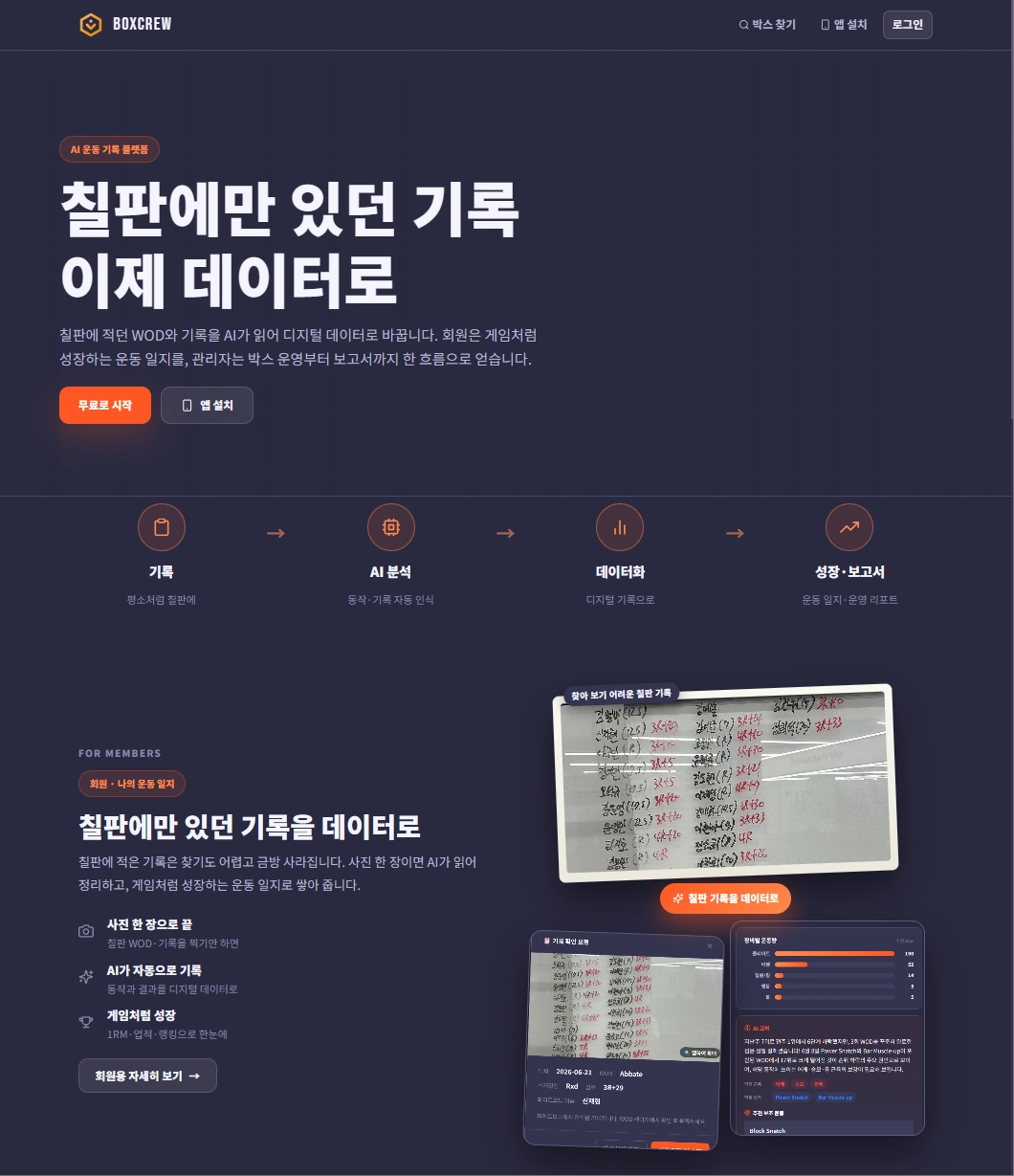
> CrossFit WOD 기록을 자동화해주는 SaaS
기획부터 개발, 디자인, 마케팅까지 전 과정을 혼자 진행해봤습니다. 물론 AI와 함께 했습니다. 특히 개발 과정에서는 코드의 99%를 AI가 작성했습니다. 저는 무엇을 만들어야 할지 방향을 잡고, AI가 만들어준 코드가 의도한 대로 동작하는지 확인하는 역할에 집중했습니다.
AI 시대의 새로운 역할, 빌더
직접 만들어 보면서 뼈저리게 느낀 것은 개발자의 역할이 바뀌고 있다는 점입니다. 이제는 코드 한 줄 한 줄을 직접 짜는 ‘코더’보다, 아이디어를 현실로 만들어내는 ‘빌더’라는 역할이 더 중요해졌습니다.
AI가 코드를 짜주는 시대에 진짜 필요한 능력은 무엇일까요? 저는 이 경험을 통해 두 가지가 특히 중요하다는 것을 알게 됐습니다.
- 클라우드에 대한 이해 : 배포, 도메인 연결, 서버리스, 결제 시스템 연동 등 인프라 관련 지식은 AI가 대신해주기 어렵습니다. 이 부분은 기본 개념을 알고 있어야 AI와의 대화 자체가 가능합니다.
- 데이터베이스 설계 능력 : 어떤 데이터를 어떻게 저장하고 조회할 것인지, 이 판단은 결국 사람이 해야 합니다. AI가 코드를 짜줘도 테이블 구조가 잘못되면 나중에 돌아오는 대가가 큽니다.
이 두 가지가 있다면, AI와 함께하는 개발이 놀라울 정도로 빠르게 진행됩니다. 반대로 이 개념 없이 AI에만 의존하면, 중반부에서 반드시 막히는 순간이 찾아옵니다.
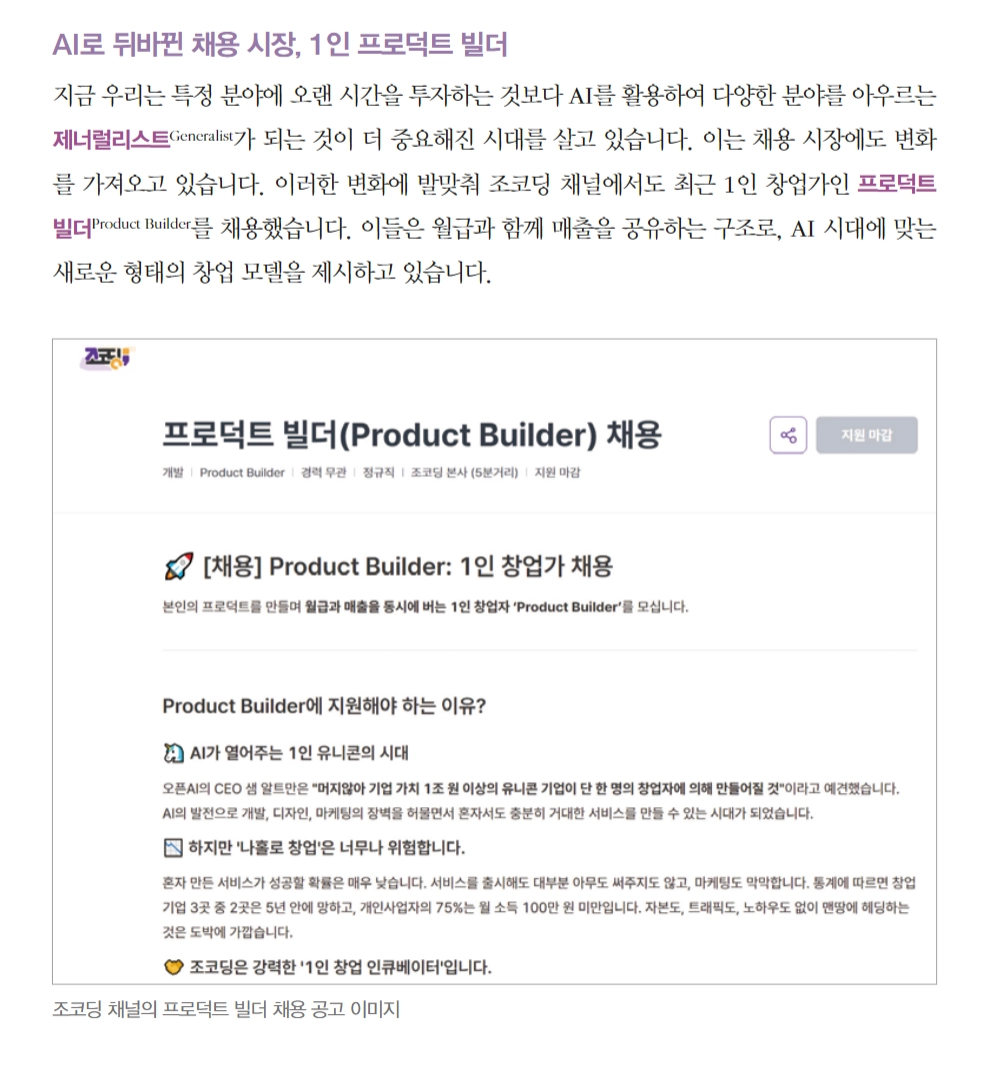
> 빌더로써의 역할 변모
이 책이 알려주는 것
이 책은 조코딩이 직접 진행한 ‘바이브 코딩 1인 창업’ 강의를 한 권으로 정리한 결과물입니다. 기획 → 개발 → 디자인 → 마케팅 → 데이터 분석 → 엑시트까지, 서비스를 만들고 키워나가는 전 과정을 5단계로 나눠 설명합니다.
1단계 | 일단 만들어 보기
HTML, CSS만으로 간단한 웹사이트를 만들고 배포까지 해봅니다. 이 파트에서 강조하는 것은 ‘일단 뭔가를 만들어 세상에 내놓아 보는 경험’입니다. 광고 수익까지 붙여 첫 수익을 내는 경험 자체가 동기부여가 됩니다.
2단계 | 사람을 모으는 법
만들었다면 이제 알려야 합니다. SEO, GEO, 바이럴 마케팅 등 유입을 만드는 다양한 전략을 다룹니다. AI 검색 엔진 시대에 맞는 GEO(생성형 엔진 최적화) 개념을 다루는 부분이 특히 인상적이었습니다.
3단계 | 진짜 돈이 들어오는 구조 만들기
리액트와 서버리스로 AI API를 연동하고, 글로벌 결제 시스템을 붙입니다. 이 파트가 이 책의 핵심입니다. 코드스페이스, 클라우드플레어, 수파베이스 같은 실무에서 쓰는 도구들을 어떻게 엮는지 직접 보여줍니다.
4단계 | 매달 들어오는 수익 구조
단발성 결제가 아닌 구독 모델로 전환하는 방법을 다룹니다. 수파베이스로 회원 관리 시스템을 만들고, 구독 자동화까지 연결하는 흐름이 실용적입니다.
5단계 | 더 크게 키우기
앱 출시, 미국 법인 설립, 엑시트 전략까지 다룹니다. 처음부터 글로벌을 염두에 두고 서비스를 설계하는 관점이 잘 담겨 있습니다.
수익 모델의 현실
그런데 막상 해보니 수익 모델을 만드는 것은 생각보다 훨씬 어려운 일이었습니다.
SaaS를 만드는 것 자체는 AI 덕분에 예상보다 빠르게 할 수 있었습니다. 진짜 문제는 그 다음이었습니다. 결제 시스템을 붙이고, 구독 상품을 만들고, 실제로 돈을 받는 구조를 만드는 과정에서 하나의 벽이 계속 등장했습니다. 바로 사업자 등록이라는 문턱입니다.
- 국내 주요 결제 API는 대부분 사업자가 있어야 이용 가능합니다.
- 구독 모델로 이윤을 추구하려면 법적 주체가 필요합니다.
- 글로벌 서비스를 목표로 하면 더욱 복잡해집니다.
개인이 수익을 내는 구조를 만드는 데 생각보다 많은 준비가 필요했습니다. 이 책이 결제 시스템 구축부터 미국 법인 설립(스트라이프 아틀라스)까지 다루는 이유가 바로 여기 있습니다.
총평
이 책은 아이디어가 서비스가 되고, 서비스가 수익이 되는 전 과정을 한 권에 담은 로드맵입니다.
직접 만들어본 입장에서 보면, 이 책의 목차 순서 자체가 굉장히 현실적입니다. 실제로 진행해보면 이 순서가 맞다는 것을 몸으로 느끼게 됩니다.

> 이 책에서 가장 공감가는 대목
개발자가 빌더로 한 단계 나아가려면 개발 그 이상이 필요합니다. 빠르게 변모하는 세상 속에서 개발, 기획, 마케팅, 디자인을 넘나드는 다양한 능력이 요구됩니다. 그 출발점은 코드가 아니라 문제를 정의하는 것입니다. 어떤 불편함이 있는지, 누가 겪고 있는지, 그것을 해결하면 어떤 가치가 생기는지를 먼저 꿰뚫는 능력이 빌더의 진짜 자질입니다.
코드는 그 문제를 푸는 수단일 뿐입니다. 문제를 정의하고, AI와 함께 풀어가고, 그 과정에서 가치를 만들어내는 것. 그것이 개발자가 빌더로 변모하는 길이 될 것입니다.
아쉬운 점
이 책의 결제 시스템은 폴라(Polar)와 스트라이프 기반의 글로벌 결제에 초점이 맞춰져 있습니다. 그러다 보니 국내 사용자를 대상으로 수익화를 시작하려는 분들에게는 아쉬움이 남습니다. 토스페이먼츠, 카카오페이 같은 국내 결제 수단 연동이나, 개인사업자 기준으로 국내에서 합법적으로 수익을 낼 수 있는 구조에 대한 내용이 좀 더 있었으면 했습니다.
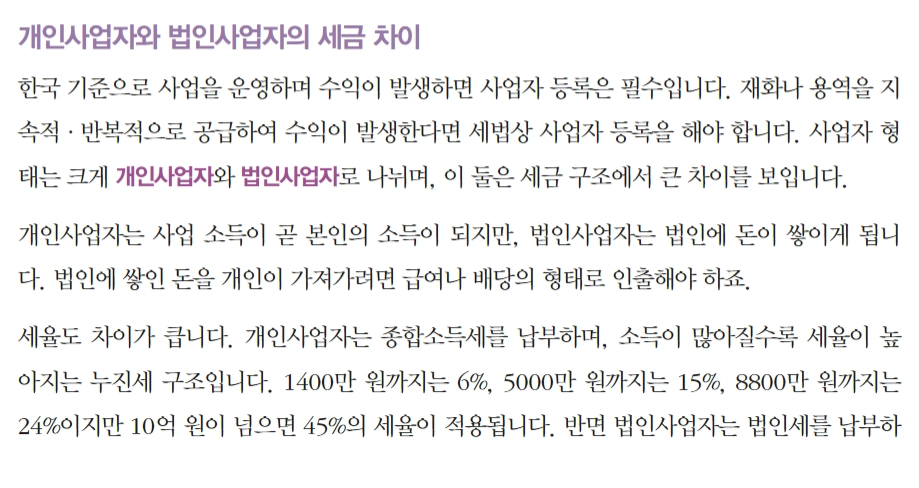
> 국내 수익화 방법에 대해 조금더 자세한 내용이 있었으면...
이런 분들께 추천합니다
- 직접 서비스를 만들어보고 싶은 개발자, 비개발자 모두
- 서비스를 통해 수익화를 꿈꾸는 모두
- AI 시대에 ‘빌더’라는 역할로 변모하고 싶은 개발자
참고 문헌
This review was written as part of Hanbit Media’s “I Am a Reviewer” program, which provided me with the book.
About the Book
- Title : JoCoding's Vibe Coding for Solo Founders (조코딩의 바이브 코딩 1인 창업)
- Author : Cho Dong-geun (JoCoding)
- Publisher : Hanbit Media
- For : Anyone who wants to try starting a solo business
-
In one line :
Everyone's role gets redefined as a builder
I Built a SaaS Myself
Not long ago, I built a SaaS myself. It started with the thought, “I want to generate revenue on my own, outside of my company.”
> A SaaS that automates CrossFit WOD logging
I went through the whole process alone, from planning to development, design, and marketing. With AI, of course. In development especially, AI wrote 99% of the code. I focused on setting the direction for what to build and checking that the code the AI produced worked as intended.
A New Role for the AI Era: The Builder
What building it myself drove home is that the developer’s role is changing. Now, rather than a “coder” who writes every line of code by hand, the role of a “builder” who turns ideas into reality has become more important.
In an age when AI writes the code, what abilities do you really need? Through this experience, I found that two things matter most.
- Understanding the cloud : Infrastructure knowledge — deployment, connecting domains, serverless, integrating payment systems — is hard for AI to handle for you. You need to know the basic concepts here before you can even have a meaningful conversation with the AI.
- Database design skills : Deciding what data to store and how to store and query it is ultimately up to a person. Even if AI writes the code, a poorly designed table structure will cost you dearly later.
With these two, developing alongside AI moves astonishingly fast. On the other hand, if you rely on AI alone without these concepts, you’re guaranteed to hit a wall somewhere in the middle.
> The shift into the role of a builder
What This Book Teaches
This book condenses JoCoding’s own “Vibe Coding Solo Startup” course into one volume. It splits the entire process of building and growing a service into five stages: planning → development → design → marketing → data analysis → exit.
Stage 1 | Just Build Something
You build a simple website with nothing but HTML and CSS, and deploy it. What this part emphasizes is “the experience of making something and putting it out into the world.” Even adding ads and earning your first revenue is motivating in itself.
Stage 2 | How to Bring People In
Once you’ve built it, you have to get the word out. It covers various strategies for driving traffic, such as SEO, GEO, and viral marketing. The section on GEO (Generative Engine Optimization), suited to the era of AI search engines, was especially impressive.
Stage 3 | Building a Structure Where Real Money Comes In
You integrate AI APIs with React and serverless, then add a global payment system. This part is the heart of the book. It shows you firsthand how to tie together tools used in real-world work, like Codespaces, Cloudflare, and Supabase.
Stage 4 | Revenue That Comes In Every Month
It covers switching from one-time payments to a subscription model. Building a membership system with Supabase and connecting it all the way through to subscription automation is a practical flow.
Stage 5 | Growing Bigger
It covers launching an app, setting up a U.S. corporation, and even exit strategies. It captures well the mindset of designing a service with the global market in mind from day one.
The Reality of Revenue Models
But once I actually tried it, building a revenue model turned out to be much harder than I thought.
Thanks to AI, building the SaaS itself went faster than I expected. The real problem came next. While adding a payment system, creating subscription plans, and setting up a way to actually get paid, one wall kept coming up: the hurdle of business registration.
- Most major domestic payment APIs in Korea require a registered business.
- To pursue profit with a subscription model, you need a legal entity.
- If you’re aiming for a global service, it gets even more complicated.
Setting up a way for an individual to earn revenue took much more preparation than I expected. That’s exactly why this book covers everything from building a payment system to setting up a U.S. corporation (Stripe Atlas).
Final Thoughts
This book is a roadmap that captures, in one volume, the entire journey from idea to service and from service to revenue.
Speaking as someone who has built one, the order of the table of contents itself is very realistic. When you actually go through it, you feel in your bones that this order is right.
> The passage in this book I related to most
For a developer to take the next step and become a builder, you need more than development. In a rapidly changing world, you need a range of skills that crosses development, planning, marketing, and design. And the starting point isn’t code — it’s defining the problem. The real mark of a builder is the ability to see first what pain point exists, who is experiencing it, and what value solving it would create.
Code is just the means to solve that problem. Define the problem, solve it together with AI, and create value along the way. That will be the path for developers to transform into builders.
What I Missed
The payment system in this book is focused on global payments based on Polar and Stripe. As a result, it leaves something to be desired for those who want to start monetizing with users in Korea. I would have liked more on integrating Korean payment methods like Toss Payments and Kakao Pay, and on how a sole proprietor can legally earn revenue in Korea.
> I wish it had gone into a bit more detail on monetizing in Korea...
Recommended For
- Developers and non-developers alike who want to build their own service
- Anyone dreaming of earning revenue through a service
- Developers who want to transform into the role of a “builder” in the AI era